Chambaku (DECAF)

We've avoided offering decaf for quite some time — not out of neglect, but because we hadn't found one worth doing. Chambaku changed that.

A specialty-grade decaf that doesn't trade origin, process, or quality for its caffeine-free status. Swiss Water processed — no chemicals, no shortcuts. What remains is coffee worth drinking.

Roasted on our IMF air roaster with an omni-profile approach. One roast for any brew method.

Nomad Coffee

Land
Kolumbien
Region
Caldas
Höhe
1400m-1700m above sea level
Landwirt
Juan Felipe Restrepo
Variation
  • Castle
Aromaprofil
  • chocolate
  • muscovado sugar
  • golden apple
Prozess
Washed

    Bauer

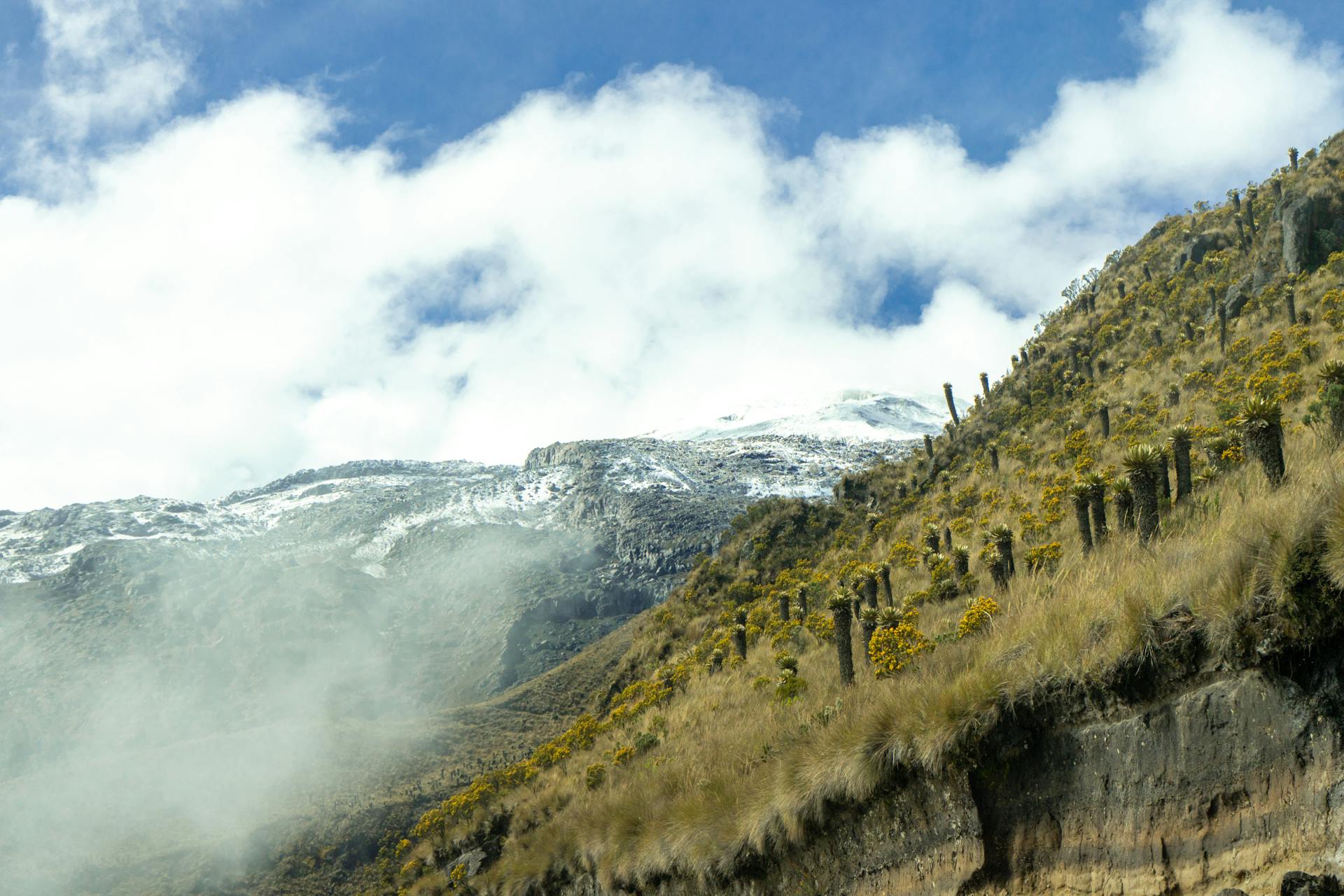
    Juan Felipe Restrepo leads Finca Chambakú in Villamaría (Caldas, Colombia), a 12-hectare specialty project within his family’s larger Hacienda el Jardín. The farm blends volcanic soils and mountain climate into its vision for precision coffee.

    Juan Felipe, a Q‑grader turned farmer after years as a processor, carefully shapes each step of production—from selective hand‑picking to cutting‑edge fermentation. Microlots feature varieties like Pink Bourbon, Catiope, Caturra (Red & Yellow), Cenicafé 1, Castillo, and more.

    Beyond flavor, sustainability is at the core: natural forest areas support biodiversity, and wastewater from processing is treated biologically before reentering streams.

      Verfahren

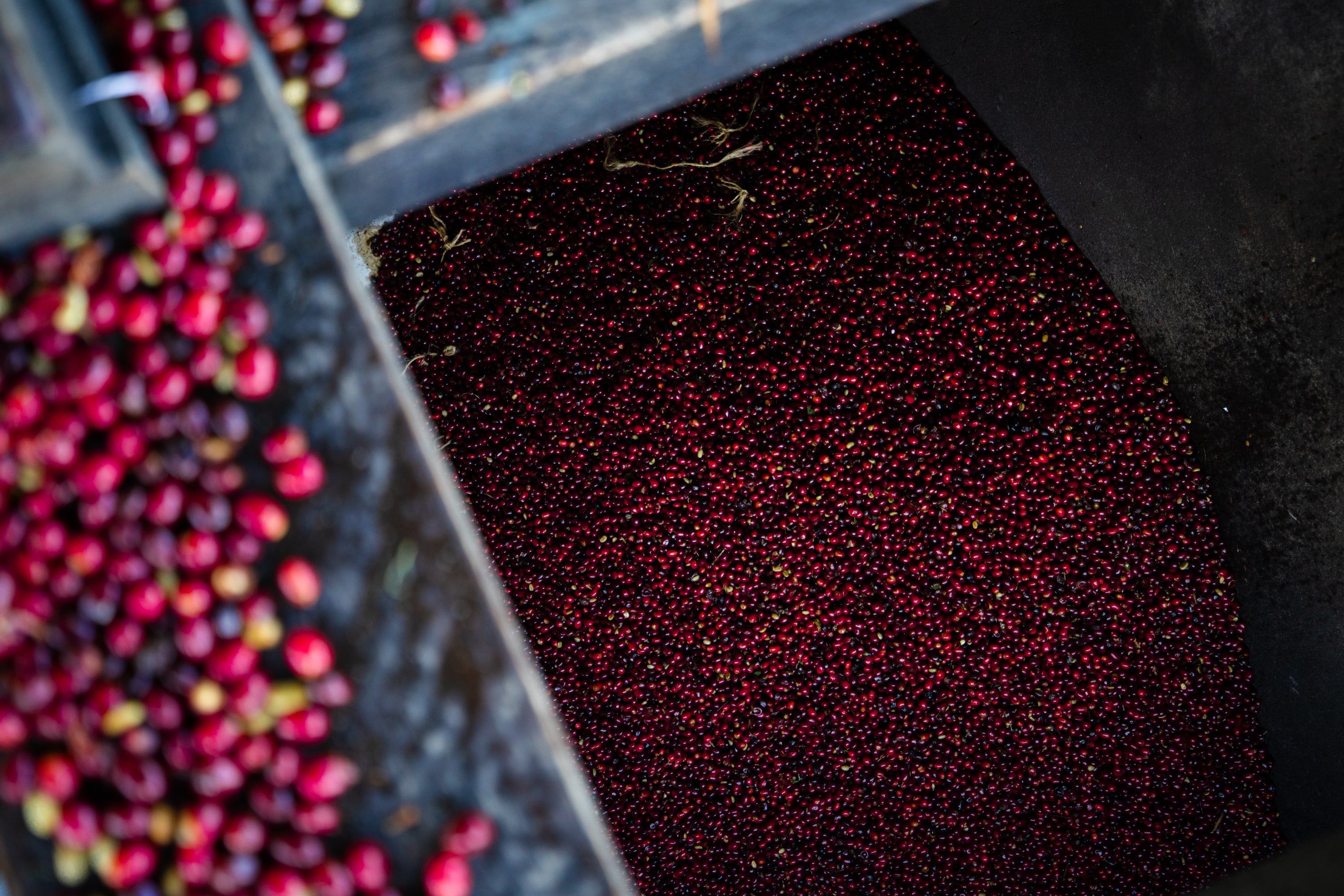
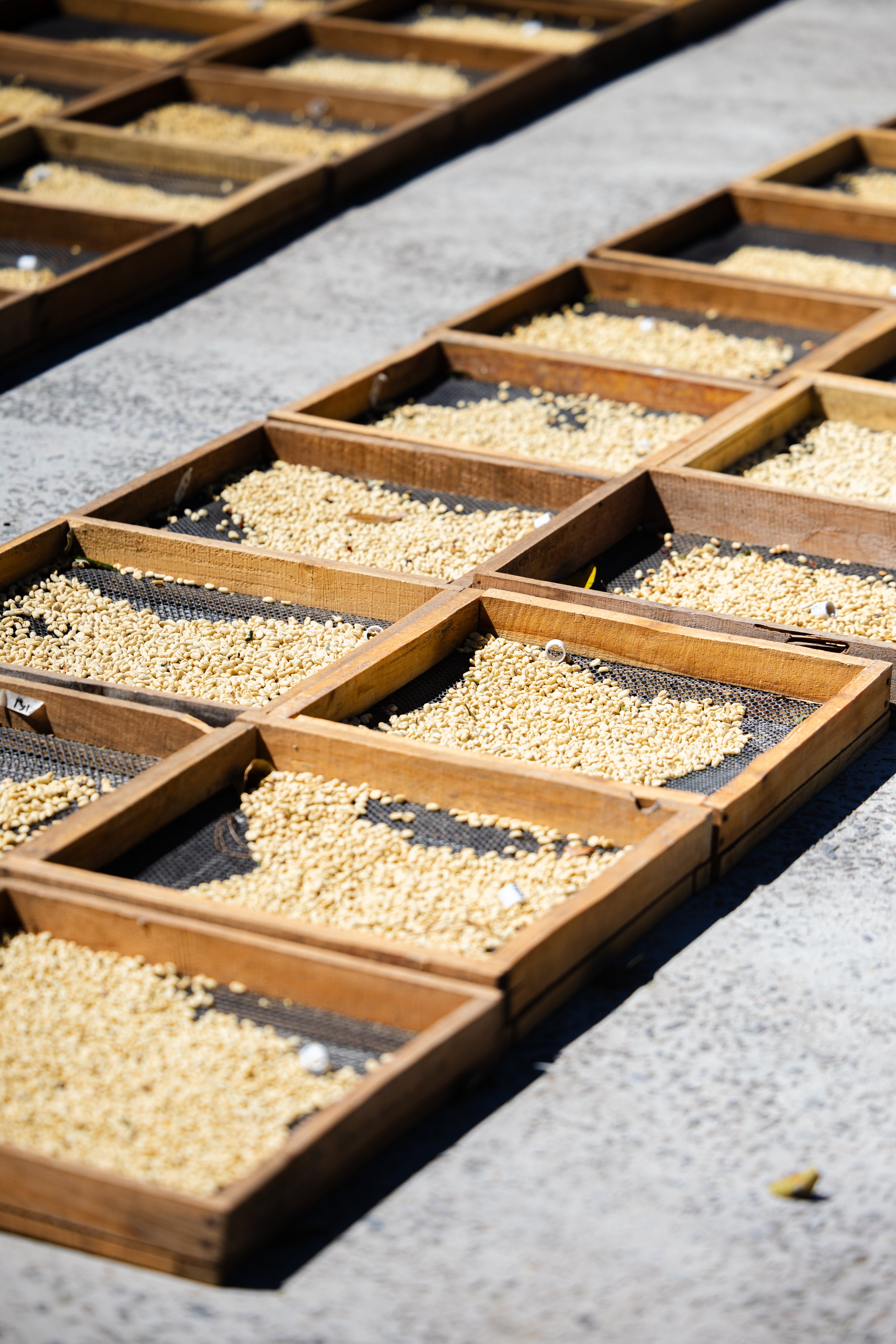
      Washed coffee beans are processed using a method that emphasizes clarity and brightness in the cup by removing the coffee cherry’s fruit layer before drying. After the coffee cherries are harvested, they are placed in water tanks, where the ripe cherries sink, and the unripe or defective ones float and are removed. The cherries are then passed through a depulper, which removes the outer skin and much of the fruit pulp. Next, the beans are placed in fermentation tanks, where natural enzymes and microbes break down any remaining mucilage (the sticky layer) over a period of 12 to 48 hours. After fermentation, the beans are thoroughly washed with clean water to remove any remaining residue, then spread out to dry in the sun or using mechanical dryers. This method highlights the coffee's intrinsic flavors, often resulting in bright, crisp acidity and a clean cup profile.